Applications
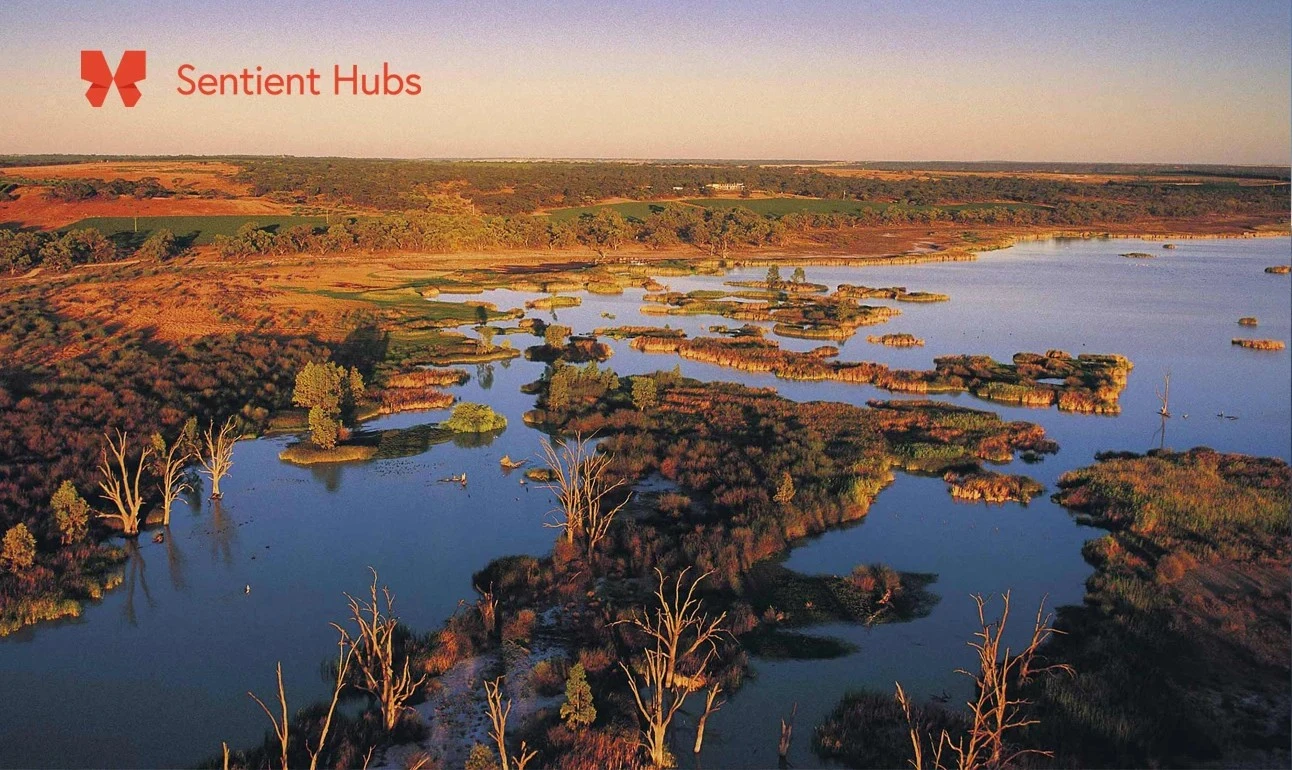
Water Systems Simulation
Sentient Hubs provides advanced water systems simulation and digital twin technology to model, analyse, and optimise complex water environments. By integrating hydrological, environmental, operational, ecological, and real-time data, the platform enables proactive water-borne risk mitigation by forecasting contamination events, water quality deterioration, and public health risks. It also supports midge larvae forecasting through predictive ecological modelling, helping identify potential outbreaks before they occur. Advanced scenario analysis improves resilience, supports sustainable water resource management, enhances ecosystem health, and strengthens long-term water security through evidence-based decision-making.
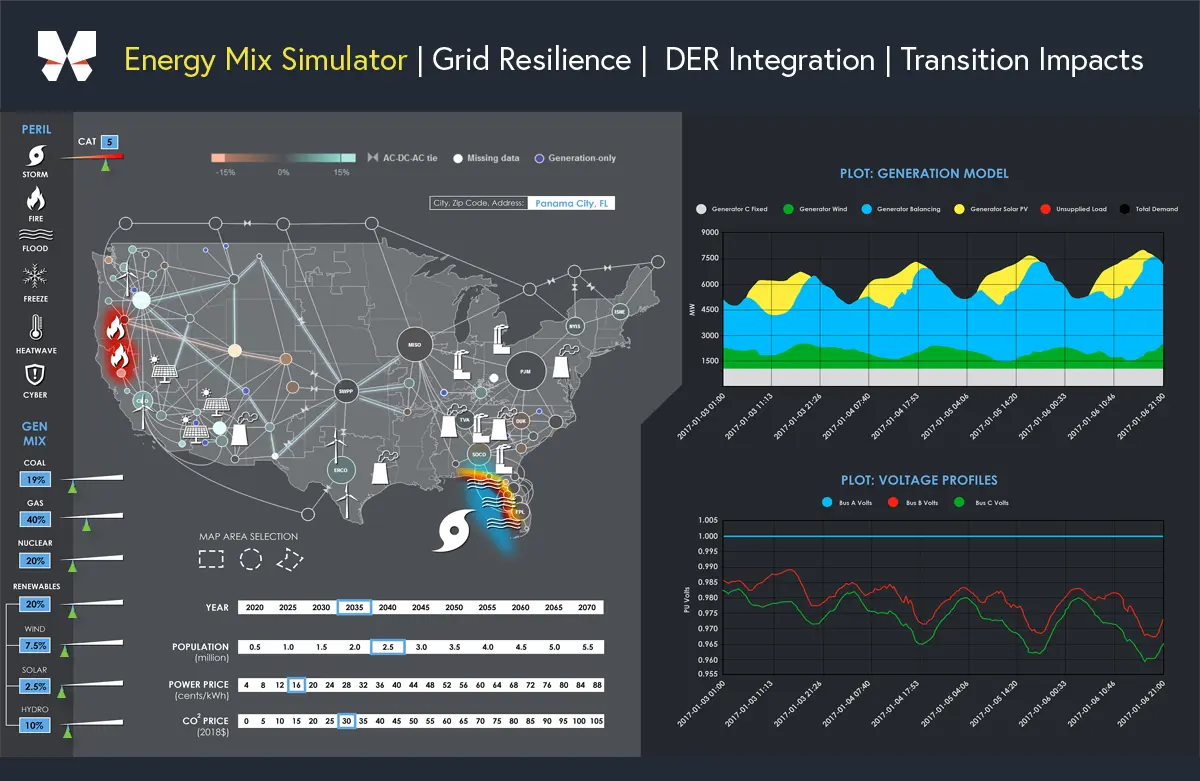
Energy Transition Modelling
Sentient Hubs’ Energy Transition Modelling platform accelerates decarbonisation through holistic, federated modelling that connects climate, water, energy, food, supply chain, and security systems. By integrating data, digital twins, and expert models through Project Tapestry, it reveals critical interdependencies, evaluates trade-offs, and supports balanced energy policy decisions. By connecting energy, climate, economic, and environmental models, it quantifies interdependencies, evaluates trade-offs, and tests future scenarios. The platform supports evidence-based decision-making, optimizes energy investments, enhances system resilience, and helps organizations achieve Net Zero goals sustainably and efficiently.
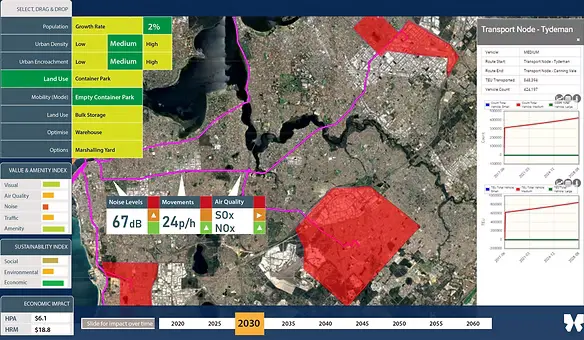
Dynamic Master Planning
Sentient Hubs Dynamic Master Planning Platform seamlessly links financial, infrastructure and scientific models to enable integrated planning, risk and impact assessment across economic, environmental, and social dimensions. By quantifying interdependencies, assessing risks and impacts, and dynamically adapting to changing conditions, it helps organizations visualize future scenarios, improve resilience, and make evidence-based investment decisions. For the first time, decision makers can dynamically visualise complex interdependencies between factors like population growth, climate change and pandemics, against demand for critical infrastructure and services.
Holistic Policy Development
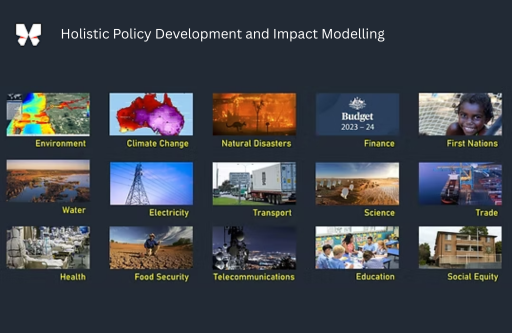
Sentient Hubs’ Holistic Policy Development and Impact Modelling platform enables organizations to evaluate complex policy decisions by integrating diverse data sources, expert models, digital twins, and simulation tools within a collaborative SaaS environment. By connecting environmental, economic, social, infrastructure, climate, and energy systems, the platform quantifies interdependencies, assesses cascading impacts, and supports evidence-based decision-making. Users can rapidly run multi-domain “What If?” scenarios, evaluate trade-offs and trigger points, and visualize outcomes, transforming analyses that once took months into actionable insights generated within minutes.
Long Supply Chain Modelling
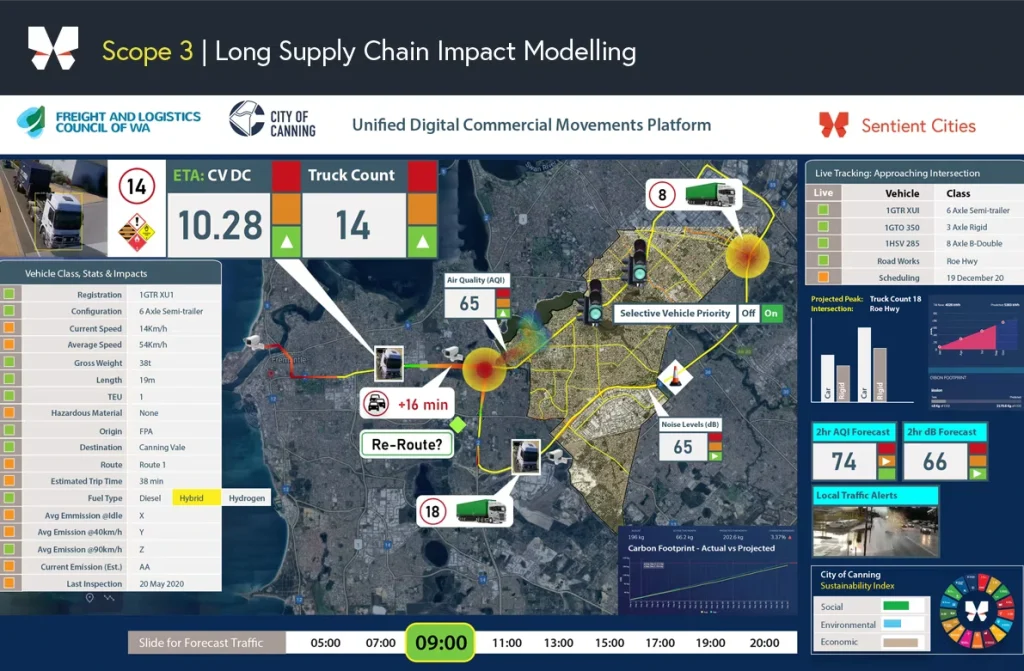
Sentient Hubs’ Long Supply Chain Modelling capability enables organizations to analyse and optimise complex supply networks by connecting trade, logistics, economic, infrastructure, environmental, and risk models within a unified simulation platform. By evaluating interdependencies, forecasting disruptions, and testing multiple future scenarios, it helps decision-makers improve supply chain resilience, reduce operational risks, enhance sustainability, and make data-driven strategic planning and investment decisions.
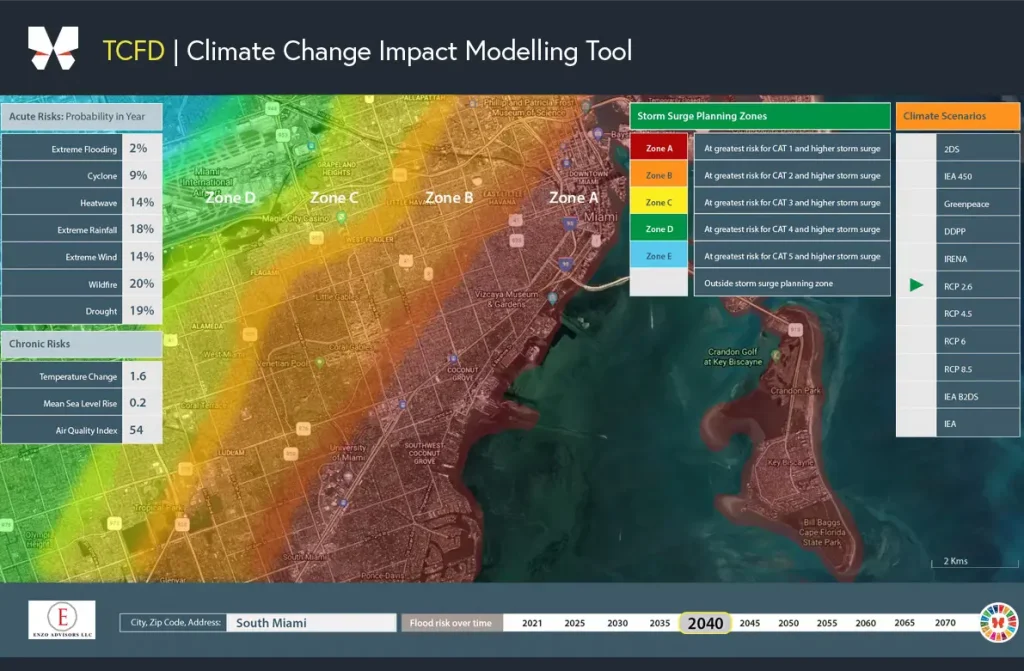
TCFD | Climate Change Impact Modelling Tool
The TCFD (Task Force on Climate-related Financial Disclosures) Climate Change Impact Modelling Tool within the Sentient Hubs platform is designed to help organizations understand, quantify, and communicate the financial, environmental, and operational impacts of climate change through integrated scenario modelling and digital-twin capabilities. The tool supports organizations in assessing:
- Climate-related physical risks (flooding, heat stress, sea-level rise, storms, droughts, etc.)
- Transition risks arising from decarbonization policies, carbon pricing, technology shifts, and changing market expectations
- Financial impacts on assets, infrastructure, operations, supply chains, and investments
- Long-term resilience and adaptation strategies aligned with TCFD reporting requirements.